Successful technology projects start with understanding the problem—not selecting a platform or beginning development. Notitia applies a human-centred design process to understand users, workflows, systems and data before designing and building a solution. This helps organisations make informed technology decisions and create dashboards, reporting tools, websites and digital products that work in practice.

Speak directly with users and stakeholders to understand their needs, behaviours, responsibilities and challenges.
Map workflows, systems and data to identify friction, clarify requirements and focus the project on the right outcomes.
Use wireframes, prototypes and user feedback to test ideas and refine the solution before committing to the full build.

Design around real workflows and provide tailored training so the finished solution can be understood and used confidently.
Design is more than the final visual layer of a dashboard, website or digital product. It is a structured way of understanding people, defining problems and shaping technology decisions.
Notitia’s human-centred design process begins with user and stakeholder research. We work with the people who will use the solution to understand how they complete tasks, interpret information, make decisions and interact with existing systems.
These insights help identify gaps, friction and opportunities before development begins. This gives business and technical teams a clearer understanding of what should be built, why it is needed and how success will be measured.
As a boutique consultancy, Notitia provides direct access to experienced team members throughout the project, with senior leadership actively involved in shaping delivery.

We begin with stakeholder and user workshops to understand how the organisation operates and how people interact with its systems, data and digital tools. We look beyond documented processes to understand how work happens in practice, including the pressures people face, the workarounds they use and where decisions are actually made.
Our design-led approach considers four connected areas:
People
How employees and customers make decisions, complete tasks and interact with systems.
Workflows and Journeys
How users move through tools and processes, including where friction, confusion or duplication occurs.
Systms and Dat
How platforms, dashboards and data structures support, or limit, usability and performance.
Experience
How intuitive, accessible and effective current tools and digital products are for real users.
Notitia’s design-led approach draws on established design-thinking and human-centred design principles, adapted for complex data, digital and technology projects.
We speak directly with stakeholders and end users to understand their roles, behaviours, needs and expectations.
This can include interviews, workshops and contextual research into how people use information, systems and digital tools in their day-to-day work.
We map user journeys, workflows, systems and data to understand how tasks are completed and where friction, confusion or duplication occurs.
We also consider the different needs of executives, analysts, operational teams, customers and other user groups.
We turn user and business insights into a clear design direction.
This includes identifying usability and functional gaps, defining user requirements, agreeing on intended outcomes and recommending an appropriate solution approach.
Through co-design and ideation, we explore different ways to address the problem before committing to a solution. We then create low-fidelity wireframes, prototypes and designs so options can be tested before full development begins.
Designs are tested and refined through stakeholder and user feedback to ensure the proposed solution reflects real workflows, information needs and business objectives.
Once the design is validated, we work with data analysts, developers, technical teams and client stakeholders to translate it into a working solution.
We support rollout, tailored training and ongoing refinement so the solution is understood, trusted and embedded in day-to-day work.
Different users have different responsibilities, decision-making needs and levels of data literacy. They therefore need different information, interactions, context and levels of detail.
An executive may need a concise view of organisational performance, while an operational team may need detailed information that supports immediate action.
Notitia applies human-centred design to business intelligence dashboards, reporting tools, websites, applications and other digital products. We consider how information should be structured, what users need to do with it and how the solution fits into existing workflows and technology environments.
Our designers work alongside data analysts and developers throughout delivery. This means usability, data, functionality and technical constraints are considered together rather than as separate parts of the project.
Research and design only create value when they can be translated into a practical solution.
Notitia brings together design, data, analytics and development capability to support projects from discovery through to implementation and adoption.
Our multidisciplinary team brings together data analysts, UI/UX designers, developers and experienced technology leaders. This allows user needs, business requirements, data, functionality and technical constraints to be considered together throughout the project.
Depending on the project, this can include stakeholder research, workflow and journey mapping, information architecture, dashboard UX design, low-fidelity wireframes, prototypes, user testing, interface design, development support and end-user training.
Our approach is not tied to a particular platform. We design around the organisation’s users, business needs, existing environment and project objectives, working with the technologies already in place or those selected as the best fit for the solution.
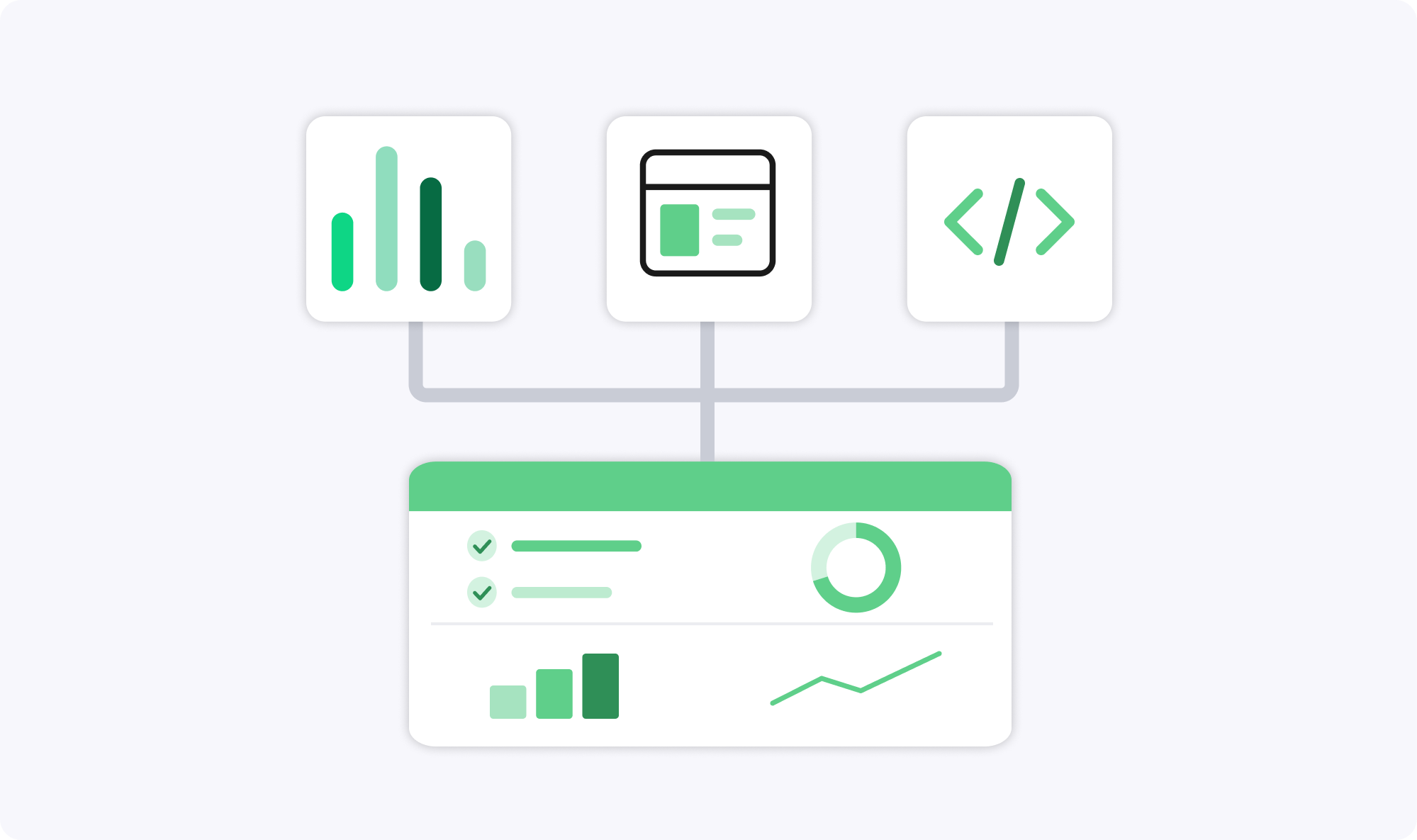
Technology projects can underperform when they begin with assumptions about what users need or how work is completed.
A design-led approach helps organisations investigate these assumptions before major development decisions are made. Early research, prototyping and testing can identify misunderstandings, align stakeholders and reduce the likelihood of rework later in the project.
By involving users throughout the process, organisations can create technology that is more relevant to real tasks, easier to understand and more likely to become part of day-to-day work.
A design-led approach places user research, business context and problem definition at the beginning of a technology project—before the solution is designed or built.
At Notitia, this involves speaking with stakeholders and users, mapping workflows, understanding systems and data, defining requirements, and testing designs through wireframes and prototypes. These insights then guide the development of dashboards, reporting tools, websites and digital products.

Human-centred dashboard design considers what different users need to know, what decisions they need to make and how they interact with information in their daily roles.
Notitia uses stakeholder research, workflow mapping, wireframes and user testing to determine how data should be structured and presented before dashboard development begins. This produces dashboards designed around decision-making and usability rather than the available data alone.
A human-centred design process develops technology around the needs, behaviours and workflows of the people who will use it.
Notitia’s process includes listening to users, mapping how work happens, defining the problem and project scope, designing and testing potential solutions, and supporting delivery and adoption. This helps ensure the finished solution is practical, understandable and relevant to real use.
Notitia provides human-centred design for data, analytics and digital projects across Melbourne, Adelaide, Canberra, Brisbane and Hobart.
Our designers work with data analysts, developers and client stakeholders to research user needs, define requirements, test solutions and support the delivery of dashboards, reporting tools, websites and digital products.